

Naveen Jindal Group Signs MoU to Invest Over ₹70,000 Crore in Jharkhand Across Steel, Nuclear Energy, and Solar Power
The Naveen Jindal Group has signed an MoU with the Jharkhand government to invest over ₹70,000 crore across steel, nuclear energy, and renewable energy projects in the state. The investment — comprising ₹40,000 crore in steel, ₹30,000 crore in nuclear energy, and ₹650 crore in solar — is expected to create over 60,000 jobs and positions Jharkhand as a major industrial and clean energy hub. The deal was formalised during the National Stakeholders Consultation 2026 in New Delhi, chaired by Chief Minister Hemant Soren.

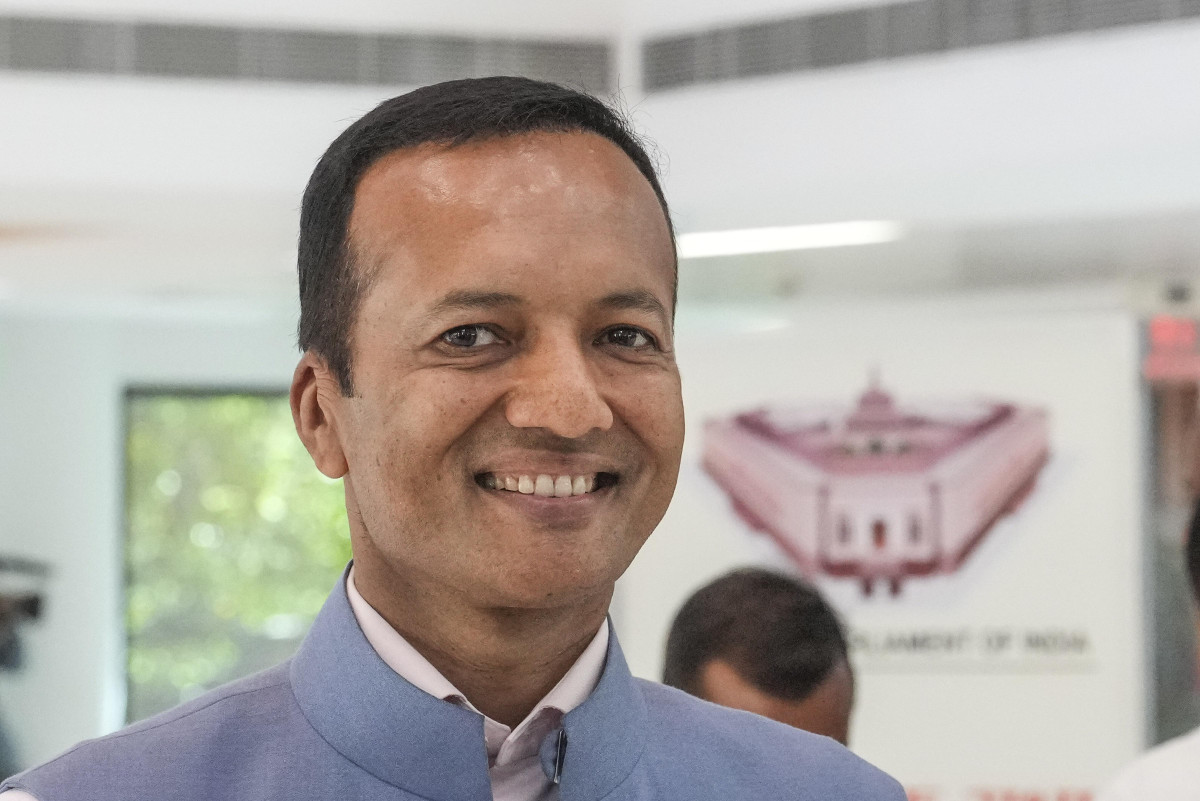
The Naveen Jindal Group has signed a Memorandum of Understanding with the Jharkhand government to invest over ₹70,000 crore in the state across steel, nuclear energy, and solar power — one of the single largest private investment commitments in Jharkhand's history. The MoU was formalised during the National Stakeholders Consultation 2026 held in New Delhi, a two-day investor engagement event convened by Chief Minister Hemant Soren's government.
The deal was announced by Naveen Jindal, Chairman of Naveen Jindal Group and Member of Parliament from the Kurukshetra constituency, who called it a reflection of the group's confidence in Jharkhand's growth potential and its people. Jindal Group Vice Chairman V R Sharma represented the group during the formal signing.
Sector-Wise Breakdown
The proposed investment is structured across three sectors. The largest allocation — ₹40,000 crore — is earmarked for the steel sector, anchored by a new plant at Patratu in Jharkhand. The second major commitment is ₹30,000 crore directed at nuclear energy, specifically a proposed 1,400 MW nuclear power plant in the state. The third component is ₹650 crore in solar energy infrastructure, contributing to Jharkhand's renewable energy capacity.
The combined investment is expected to generate over 60,000 direct and indirect employment opportunities across the state, with downstream benefits projected for MSMEs and ancillary industries in the region.
Nuclear Energy: Riding the SHANTI Wave
The ₹30,000 crore nuclear investment is particularly significant given the national policy context. The Sustainable Harnessing and Advancement of Nuclear Energy for Transforming India (SHANTI) Bill, 2025 — introduced by the Centre to overhaul India's nuclear framework — enables private sector participation in building nuclear power plants for the first time. The Naveen Jindal Group's 1,400 MW nuclear plant would be among the earliest private nuclear projects to emerge under this new framework, positioning Jharkhand at the frontier of India's energy transition.
Part of a Broader Investment Wave
The Naveen Jindal Group's MoU was the headline commitment at the National Stakeholders Consultation 2026, which generated a total of ₹86,639 crore in investment MoUs for Jharkhand in a single day. Other signatories at the consultation included Google LLC, which committed to collaborating with the state on AI and cloud technology — covering data centre modernisation, education, health, traffic management, and capacity building.
Tata Steel has separately proposed an ₹11,000 crore investment in Jharkhand, while other investors including Odisha Alloy Steel, Rungta Mines, Amalgam Steel and Power, BMW Industries, and Ambuja Cement have submitted letters of intent — collectively pushing total investment proposals received by the state toward ₹1.27 lakh crore and above.
CM Soren's Industrial Vision
The investment push builds on months of outreach by Chief Minister Hemant Soren, whose team has been actively engaging global and domestic investors since his visits to the World Economic Forum at Davos and the United Kingdom earlier this year. The Jharkhand government has consistently positioned the state's mineral wealth, stable policy framework, and improving infrastructure as its core investment proposition.
"The vision for the overall development of any state or country is long-term, not short-term, and we are moving forward with this very vision," Soren said at the consultation. "Due to a lack of better communication in the past, Jharkhand's capabilities had not been fully presented to the world — that is now changing."
What It Means for Jharkhand
For a state long defined by its resource wealth but limited industrial conversion of that wealth, the Naveen Jindal Group's ₹70,000 crore commitment — if fully executed — would be transformative. Steel and energy together would diversify the state's industrial base, generate a large formal employment base, and provide the infrastructure backbone needed for ancillary industrial growth. For Jharkhand's startup and MSME ecosystem, a manufacturing and energy buildout of this scale creates direct downstream demand across supply chains, logistics, services, and technology.
What's Your Reaction?
 Like
0
Like
0
 Dislike
0
Dislike
0
 Love
0
Love
0
 Funny
0
Funny
0
 Wow
0
Wow
0
 Sad
0
Sad
0
 Angry
0
Angry
0













Comments (0)